What makes an unforgettable brand?
The foundation
What Makes an Unforgettable Brand?
Every business owner wants to be memorable. Almost none of them are. Walk down any main street, scroll through any industry on LinkedIn, or browse any category on Amazon, and you’ll see the same pattern. Dozens of businesses say almost the same thing, in almost the same way, hoping to be the one that sticks. Most won’t be. Their product isn’t worse. Their team isn’t less talented. They simply never answered the one question that determines whether a brand is remembered or forgotten: what makes you unmistakably, unapologetically you?
An unforgettable brand isn’t the loudest one in the room. It isn’t the one with the biggest budget, the flashiest logo, or the cleverest tagline. It’s the one you’d recognize with your eyes closed — the one that knows exactly who it is and refuses to apologize for it. That distinction matters more than most businesses realize. Being unforgettable was never about being seen the most. It’s about being felt the most.
Consistency Isn’t Boring. It’s the Whole Point.
Somewhere along the way, “consistency” got a bad reputation. It sounds safe. Predictable. The opposite of creative. But consistency isn’t the enemy of memorability — it’s the engine of it. A brand that shows up the same way, boldly, over and over, is the one that turns “seen it” into “never forget it.”
Think about the last brand you could describe to a friend without hesitation. The colors, the tone, the vibe — all instantly clear in your head. That clarity didn’t happen by accident. That brand made the same choices, in the same voice, across every touchpoint, long enough for those choices to become recognition. And recognition, given enough time and enough consistency, becomes trust.
A lot of businesses quietly sabotage themselves here. Voice changes depending on the platform. Visual identity drifts year to year without anyone really deciding to change it — it just kind of happens. Trends get chased simply because a competitor tried something and it seemed to work. Each of those decisions might feel small in the moment. Stacked together, they’re the reason a brand never quite becomes unforgettable. The ideas weren’t bad. There were just too many of them, pulling in too many directions, so nothing ever had the chance to become familiar.
We saw this play out directly while building the brand for Laurius, a gift and fundraising company serving two very different audiences — parents shopping for keepsakes, and non-profits building fundraising campaigns. It would have been easy to let those two audiences pull the brand in two directions, with a scattered voice trying to speak to both at once. Instead, the identity stayed singular: one consistent visual and verbal system, applied deliberately to two different paths through the site. The brand didn’t fracture to serve two audiences. It stayed itself, and simply built two doors into the same house.
Know Exactly Who You Are
Unforgettable brands don’t try to be everything to everyone. They know precisely who they are, who they’re for, and — just as importantly — who they’re not for. That clarity is uncomfortable for a lot of businesses. It means saying no to some potential customers in order to say yes more convincingly to the right ones.
But that discomfort is exactly where distinction comes from. A brand that tries to appeal to everyone ends up appealing to no one in particular. It becomes generic by default, not by mistake — “safe” and “broad” are the natural results of trying to avoid offending anyone. Unforgettable brands make the opposite bet. A lane, a point of view, a personality — chosen and committed to fully, trusting that the right people will lean in precisely because the brand isn’t trying to please everyone.
Some of the most memorable brands in the world are also, on paper, some of the most polarizing. Not everyone loves them. But the people who do, really do. That kind of loyalty is worth infinitely more than lukewarm awareness from a much larger, less engaged audience.
Glitterhorn, a kids’ party entertainment company, is a good example of committing fully rather than playing it safe. As a brand-new company with no reputation to lean on, the temptation would have been to build something broadly appealing and inoffensive — a generic “party company” brand that could sit comfortably in any market. Instead, the whole identity leaned all the way into one specific idea: magic and mischief, in equal measure. Not every parent booking a party is looking for exactly that tone, but the ones who are recognize it instantly. That specificity is precisely what let a brand-new company feel established and memorable from its very first event.
Design Gives It Presence. Story Gives It Soul.
Visual identity does real work. A strong logo, a considered color palette, a typography system that feels intentional rather than accidental — these are what make a brand physically recognizable before a single word is read. Presence matters. It’s the reason someone can spot a brand’s packaging on a crowded shelf, or recognize an ad before the logo even appears.
Presence alone doesn’t make a brand unforgettable, though. Plenty of visually polished brands are still instantly forgettable. Presence without a story is just decoration. Story is what turns a visual identity into something people actually care about — the difference between looking distinctive and being meaningful.
The brands people remember have a clear point of view about their industry, their customers, and the problem they exist to solve. That point of view doesn’t need to be complicated. It needs to be genuine, and it needs to be consistent, showing up in the words on the website just as clearly as in the visual identity. When design and story work together, in the same direction, a brand stops being just a business people transact with. It starts becoming something people actually feel connected to.
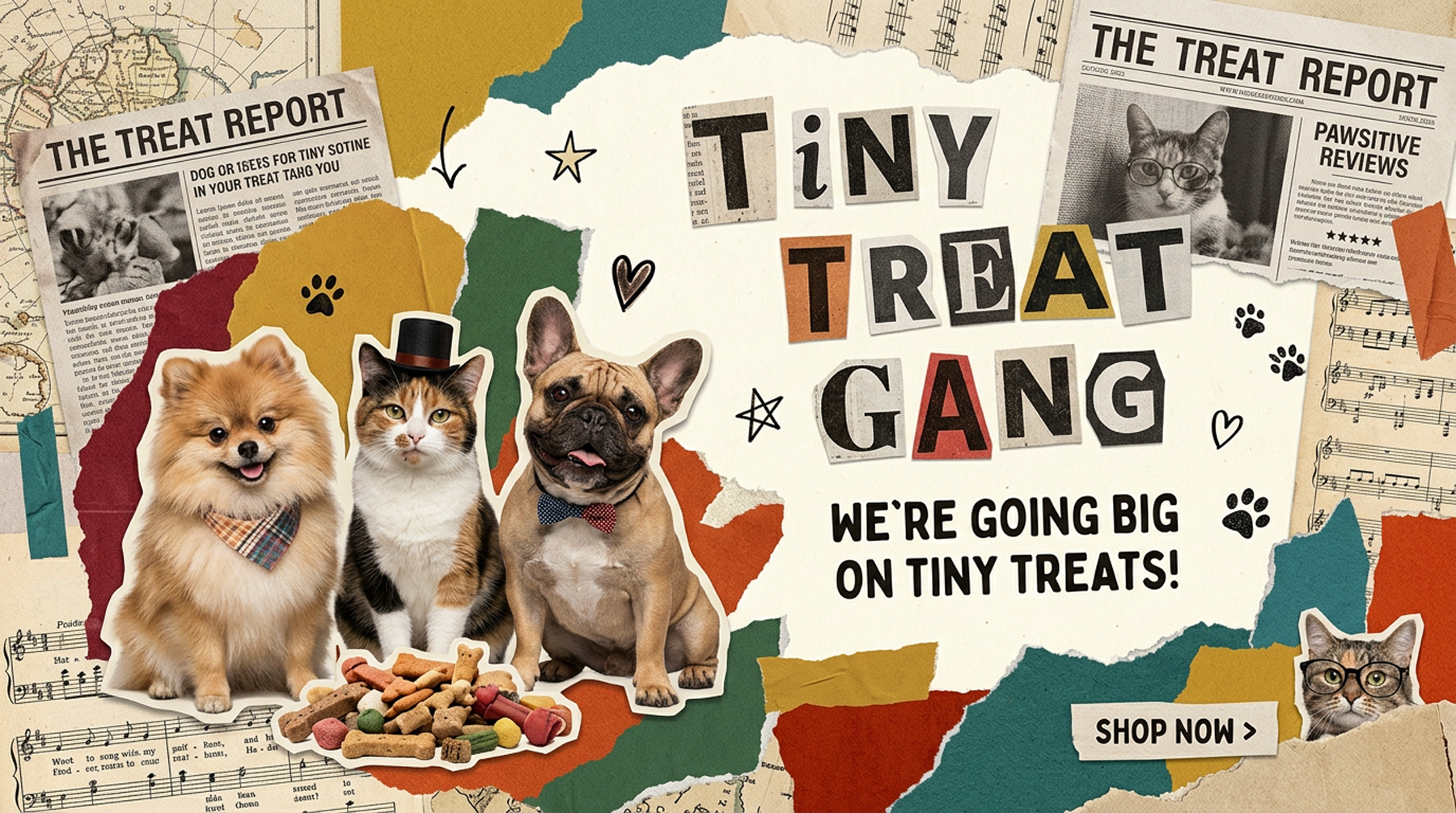
Tiny Treat Gang, a pet subscription box company, built its entire story around one deliberate strategic choice: rejecting the overly coordinated, everything-matches approach most subscription boxes default to. Pets thrive on the unexpected, so the brand does too. That “curated chaos” isn’t just a visual style — it’s the actual story being told every time a box arrives. Design gives it presence, playful and warm, unmistakably itself on a shelf or in a social feed. But the story underneath — the belief that surprise is the whole point — is what turns a monthly delivery into something a subscriber actually looks forward to, rather than just another package on the porch.
The Real Magic: Belief, Not Just Recognition
Here’s the part most branding conversations skip entirely. Recognition is good. Recall is good. Neither one, on its own, makes a brand truly unforgettable. The real turning point happens when people stop just remembering a brand and start believing something because of it — that their life, their business, their day is a little better with that brand in it.
That’s not a slogan. It’s the entire point of doing this work well. A brand that achieves that kind of belief doesn’t need to convince people to choose it. People choose it automatically, without weighing alternatives, because the decision was already made somewhere further back — in every consistent touchpoint, every clear point of view, every moment the brand showed up exactly the way people expected it to.
Here’s the real sequence, worth sitting with: consistency turns recognition into trust. Trust turns into belief. Belief is what makes someone choose you without a second thought. Skip a step, and the whole thing falls apart. Some businesses have recognition without trust — people know the name, but there’s no real relationship behind it. Others have trust without belief — people respect the business, but there’s no emotional pull keeping them loyal. The brands that become genuinely unforgettable build all three, in order, without shortcuts.
Unforgettable Isn’t an Accident
None of this happens by chance. Every unforgettable brand you can think of made deliberate choices about who they are, how they show up, and what they refuse to compromise on — then stuck with those choices long enough for the world to notice. That’s the uncomfortable truth for a lot of growing businesses: becoming memorable requires less experimentation than most people assume, and far more discipline.
Resisting the urge to chase every trend matters. So does saying no to opportunities that don’t fit, even tempting ones. Showing up consistently, with a genuine point of view, does more for a brand over time than any single clever campaign ever could.
Unforgettable brands aren’t the ones that tried the hardest to be noticed. They’re the ones that never had to try at all — because they already knew exactly who they were, and they let the world catch up.