Before and After: What a Brand Audit Actually Uncovers
The voice – is a brand audit worth it
Before and After: What a Brand Audit Actually Uncovers
A brand’s biggest problem is almost never the one its owner walks in complaining about. That gap is exactly why audits exist. What bothers you personally about your own brand is rarely the same thing a customer notices first. A brand audit looks at the whole picture instead of one frustrated hunch. Because of that, it usually uncovers something entirely different than what you expected walking in.
What People Think They’re Getting Wrong
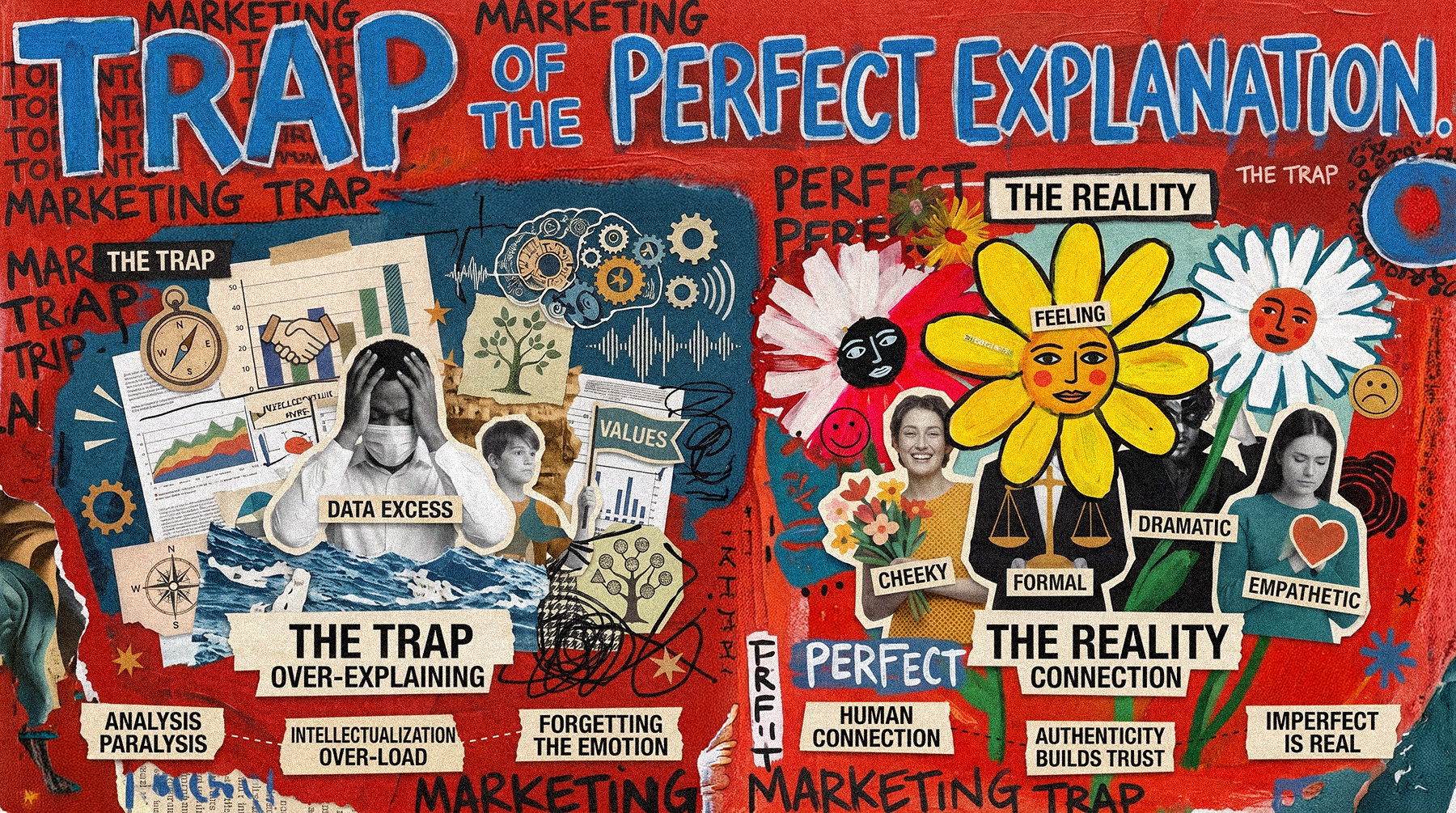
Ask a business owner what’s broken about their brand, and the answer is almost always visual. The logo feels dated. The colors feel tired. The website looks like it was built years ago, because it probably was. These aren’t unreasonable guesses. Visual fatigue is real. Staring at your own logo for years genuinely makes it feel stale, whether or not anyone else agrees.
However, visual fatigue and an actual brand problem aren’t always the same thing. Plenty of businesses have objectively strong visual identities and still lose customers. Often, the deeper issues sit somewhere else entirely. Unclear messaging. Inconsistent voice. A website that quietly buries the one thing a visitor needs to find.
Where the Real Problems Usually Hide
A genuine brand audit looks past the surface complaint and into the whole system. That means checking visual identity, certainly. It also means messaging, digital presence, and market position. More often than not, the real issues live in the gaps between these areas, not inside any single one.
Take messaging as an example. A business might have a perfectly modern logo. Still, it loses customers because the homepage headline talks about company history instead of what the customer actually gets. Visually, nothing looks wrong. Strategically, the page is failing at its one job.
Similarly, a brand might look consistent everywhere except its social media. A different team member has quietly been posting in a different voice for months. Nobody planned that drift. It just happened gradually, one caption at a time, until the mismatch became large enough to notice.
A Typical Before
Picture a small service business that’s grown steadily for years, mostly through referrals. The logo was designed early on, quickly, and never revisited. The website was built by a well-meaning friend around the same time. Social media happens sporadically, whenever someone remembers to post.
Individually, none of these feel like emergencies. The business is still growing, after all. However, an audit typically reveals the cumulative cost hiding underneath that steady growth. A homepage that doesn’t clearly say what the business does. A visual identity that looks nothing like the confident company it’s actually become. Messaging that undersells real expertise built over years.
None of this was visible as one single problem. It only became visible once someone looked at everything together, side by side. That’s a very different exercise than one frustrated glance at an old logo.
What Actually Changes
The most valuable part of a brand audit usually isn’t the list of problems. It’s the priority order. Business owners often arrive assuming everything needs fixing at once, which understandably feels overwhelming. A good audit instead identifies which one or two changes will actually move the needle first.
In the example above, the real priority likely isn’t a new logo at all. It’s probably the homepage headline. That’s the single piece of copy losing the most potential customers before they even understand the offer. The logo redesign can come later, once the more urgent leak gets fixed.
This reordering is often the most surprising part of the whole process. Business owners walk in expecting to be told their visuals are outdated. Instead, they discover their actual biggest problem was something else entirely. Maybe that’s an unclear value proposition. Maybe it’s inconsistent messaging across channels. Either way, it’s rarely what they expected walking in.
The After: What Changes When You Fix the Right Things
Once the actual priorities are addressed, the results tend to compound quickly. A clearer homepage headline means more visitors understand the offer instantly, instead of bouncing in confusion. Consistent messaging across channels means the brand starts to feel like one coherent thing, rather than several disconnected efforts.
Visual updates still matter, and they usually happen too, just later in the sequence with much clearer direction. Because the underlying strategy is solid by then, the visual refresh has something real to express. Otherwise, it risks becoming a cosmetic fix layered over confusion that never actually got resolved.
The end result rarely looks like a total reinvention. Instead, it looks like the business finally sounding and looking like the confident company it already was. It’s simply visible from the outside now, the way it always felt on the inside.
Why This Process Requires an Outside View
None of this is easy to see from inside a business. Owners are simply too close to their own brand. They’ve read their own homepage hundreds of times, until the confusing parts stop registering as confusing at all.
An outside audit brings the perspective of someone encountering the brand for the first time. That’s the same way a real customer would experience it. This fresh perspective catches the mismatch. It’s the gap between what a business intends to say, and what it’s actually communicating.
Ready to find out what an audit might uncover in your own brand? Visit our Contact page, tell us about your project, and let’s build something worth remembering.