Facts v Feelings – People Don’t Buy Facts. They Buy Feelings.
The foundation – emotion drives decisions
Facts v Feelings – People Don’t Buy Facts. They Buy Feelings.
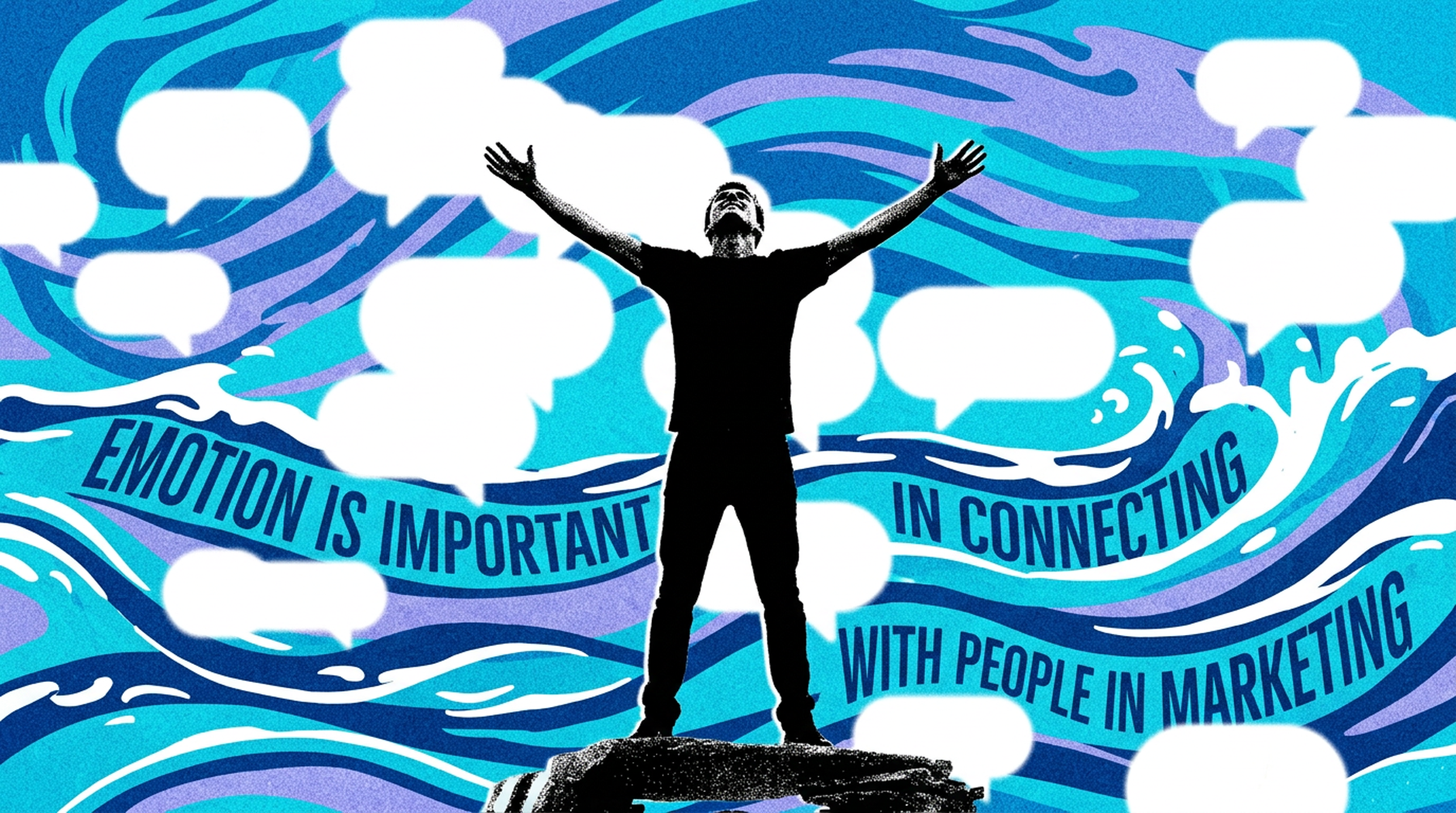
People Don’t Buy Facts. They Buy Feelings.
A customer stares at two nearly identical products. One has better specs. The other makes them feel something. Nine times out of ten, feeling wins.
That’s not a flaw in human decision-making. It’s the whole system working exactly as designed. Marketing that ignores this fact is marketing that fights its own audience.
The Brain Decides Before the Mind Catches Up
Neuroscience has shown, again and again, that emotion drives decisions first. Logic shows up afterward to justify the choice. People feel a pull toward a brand, then they build a rational case for why they were right to feel it.
This isn’t manipulation. It’s simply how humans are wired. Consequently, a campaign built only on facts is starting from the wrong end of the process. It hands someone the justification before they’ve felt the pull that needs justifying.
Think about the last big purchase you made. Maybe it was a car, a mattress, or a phone. You probably compared specs. But if you’re honest, something else tipped the scale. A feeling of trust. A flash of excitement. A sense that the brand understood you.
Logic Explains. Emotion Moves.
Logic is useful, but it plays a supporting role. It answers objections. It reduces doubt. It gives people permission to act on what they already feel.
Emotion, meanwhile, does the heavy lifting. It creates desire. It builds urgency. It turns a stranger into someone who wants to belong to your story.
This is why the most memorable ads rarely lead with numbers. Instead, they lead with a moment. A parent watching a child take their first steps. A team celebrating a hard-won victory. A person finally feeling free after years of struggle. These images stick because they connect to something real inside the viewer.
Meanwhile, a spec sheet fades from memory within minutes. A feeling can last for years.
Why Facts Alone Fall Flat
Consider two headlines. The first says, “Our software increases productivity by 23%.” The second says, “Stop drowning in busywork and finally leave the office on time.”
Both might be true. However, only one of them makes the reader feel something. The second headline speaks to relief, to freedom, to the exhaustion someone has been carrying for months. That emotional spark is what makes people stop scrolling.
Facts, on their own, are easy to ignore. Everyone claims to be the fastest, the cheapest, or the most reliable. Therefore, facts alone rarely differentiate a brand in a crowded market. Emotion is what breaks through the noise, because it speaks to something personal rather than something generic.
Trust Is an Emotional Transaction
Buying decisions are also about trust, and trust is deeply emotional. A person doesn’t trust a company because of a bullet-point list of features. They trust it because of how the brand made them feel during every interaction leading up to that moment.
Was the website warm and easy to navigate? Did the customer service response feel human? Did the ad campaign make them laugh, or did it make them feel understood? These small emotional signals accumulate. Eventually, they form the foundation of loyalty that no spec sheet could ever build on its own.
As a result, brands that invest in emotional connection often earn repeat customers, not just one-time buyers. People return to brands that make them feel something positive, again and again.
Storytelling Beats Spreadsheets
Numbers inform, but stories persuade. This is why case studies work best when they’re framed as a journey rather than a data dump. A struggling business owner. A turning point. A transformation. That narrative arc pulls people in far more effectively than a table of statistics ever could.
Additionally, stories are easier to remember and easier to share. People repeat stories to friends and family. They rarely repeat conversion rates. If you want word-of-mouth marketing to work in your favor, you need a story worth telling, not just a chart worth reading.
Emotion Drives Action, Even in B2B
Some marketers assume this rule only applies to consumer products. However, B2B buyers are still human beings making decisions under pressure. They fear making the wrong choice. They want to look competent to their boss. They crave the relief of solving a painful problem.
Consequently, even a technical audience responds to emotional triggers like fear of missing out, desire for recognition, or relief from stress. The best B2B campaigns speak to these underlying feelings while still backing up the pitch with solid proof.
How to Use Emotion Without Losing Credibility
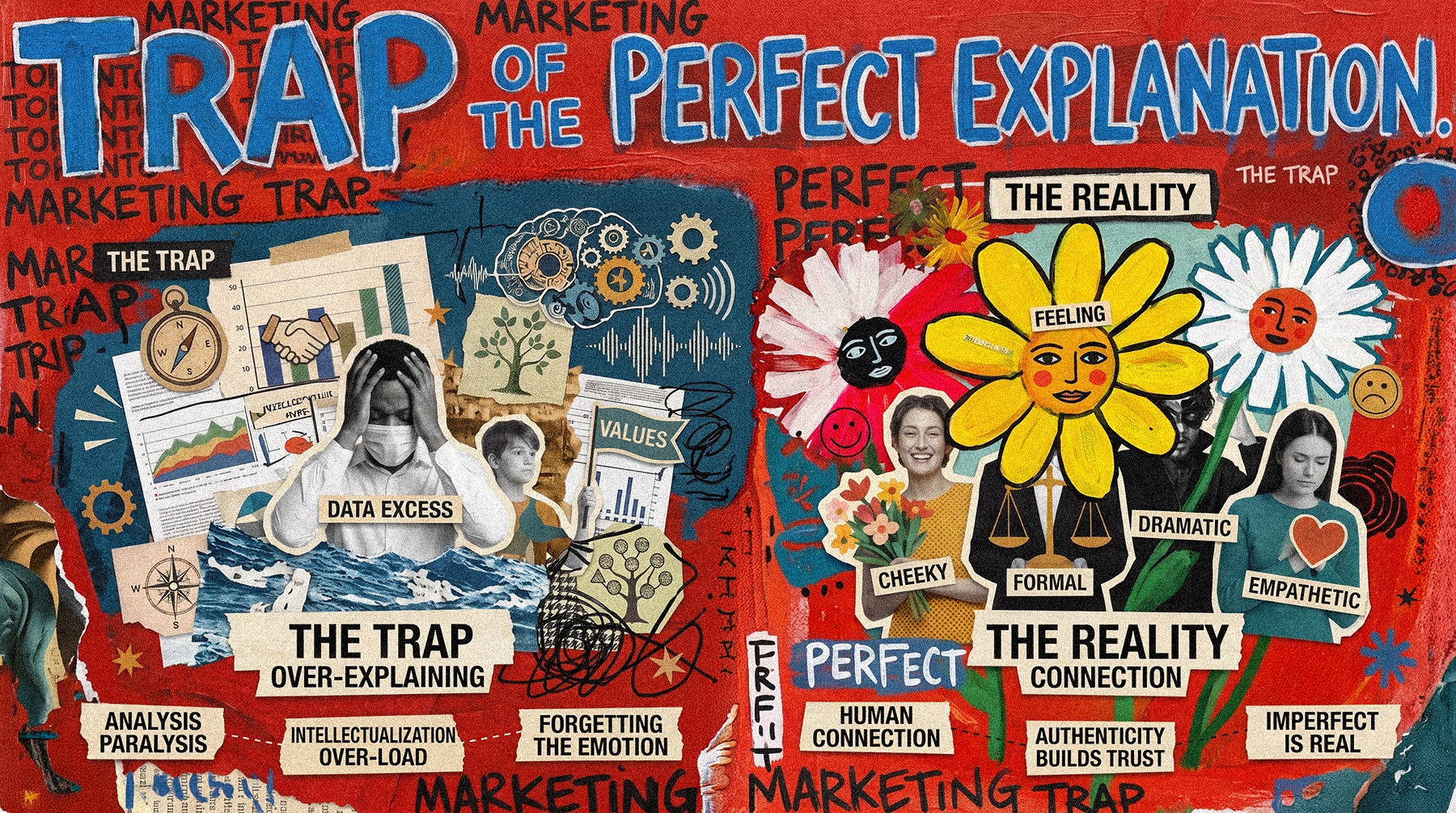
None of this means logic should be thrown out entirely. Instead, it means logic should support the emotional case rather than lead it. Open with the feeling. Then, follow up with the facts that make that feeling easy to justify.
For example, start with a bold statement about the problem your audience is quietly struggling with. Then, back it up with data, testimonials, or clear results. This order matters because it mirrors how the brain actually processes information.
Furthermore, keep your emotional appeals honest. Manipulative tactics might work briefly, but they erode trust quickly once people notice the gap between promise and reality. Genuine emotional connection, on the other hand, builds a relationship that survives long after the first purchase.
The Bottom Line
Logic will always have a place in marketing. It reassures. It justifies. It closes the final gap between interest and action. But emotion is what opens the door in the first place.
If you want people to notice your brand, remember your message, and choose you over a competitor, speak to how they feel before you speak to what they know. In the end, people don’t remember spreadsheets. They remember how you made them feel.
Ready to build a marketing message that connects on a deeper level? Reach out and let’s tell a story worth remembering.